
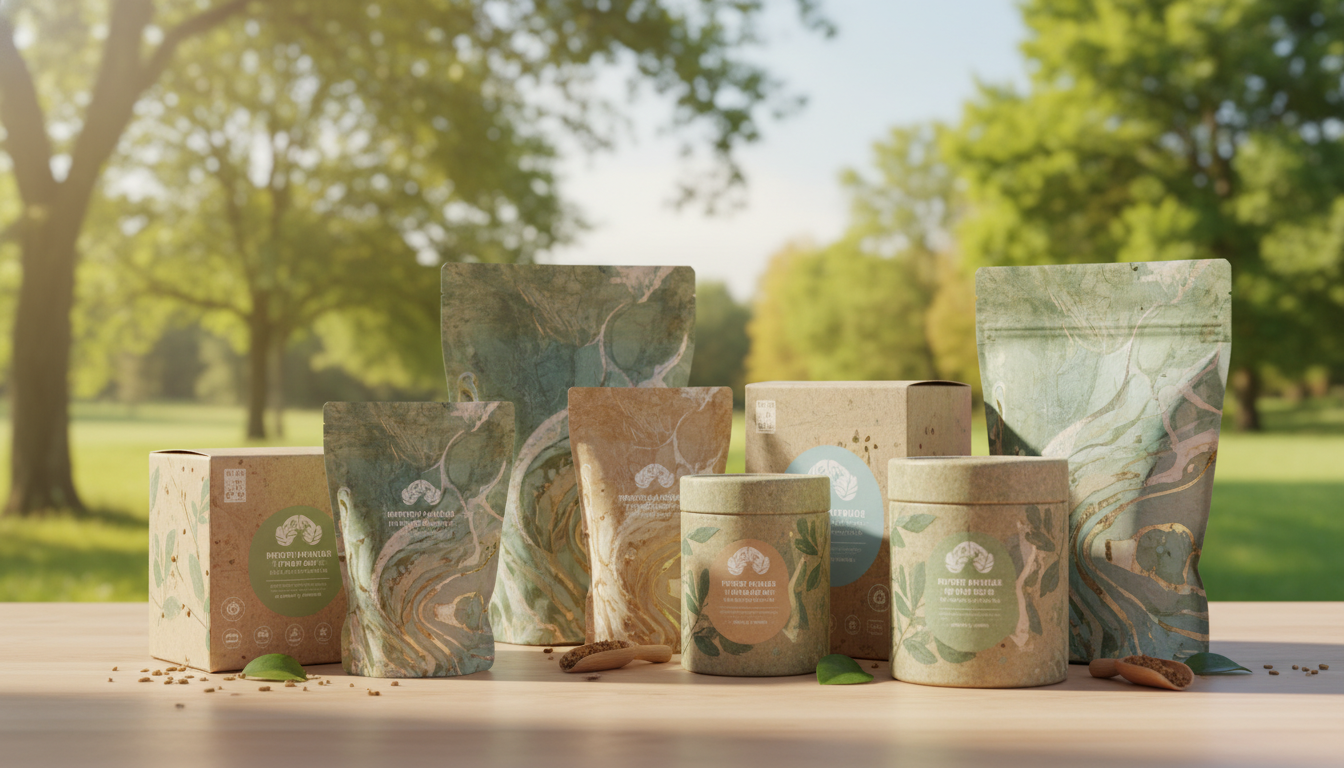
Are you ready to revolutionize protein powders packing? The future of sustainable nutrition is rapidly transforming, with biodegradable packaging emerging as a game-changing solution for environmentally conscious consumers and brands alike.
Protein powder packaging has long been a significant environmental challenge. Traditional plastic containers contribute massive waste to landfills and oceans. Now, innovative manufacturers are developing cutting-edge biodegradable solutions that promise to dramatically reduce ecological impact while maintaining product quality and freshness in Protein Powder Packing.
The protein supplement industry stands at a critical turning point. Consumers increasingly demand eco-friendly options that align with their health and environmental values. Biodegradable packaging represents a powerful response to this growing market trend, offering a sustainable alternative that doesn’t compromise performance or product integrity in Wintech Package Protein Powder Packing.
Key Takeaways
- Biodegradable packaging reduces environmental waste in protein supplement industry
- Innovative materials are replacing traditional plastic containers
- Consumer demand drives sustainable packaging solutions
- New packaging technologies maintain product quality and freshness
- Sustainability is becoming a critical competitive advantage for brands in the Protein Powder Packing sector
Innovations in Protein Powder Packing Materials
The protein supplement industry is experiencing a revolutionary transformation in packaging technologies. Sustainable solutions are reshaping how brands approach product containment, focusing on reducing environmental impact while maintaining product quality and performance.
The Rise of Biodegradable Options
Cutting-edge biodegradable materials are disrupting traditional protein powder packaging approaches. These innovative solutions achieve a reduced carbon footprint during manufacturing by utilizing plant-based and compostable materials that break down naturally.
- Plant-based polymer packaging
- Compostable kraft paper containers
- Recycled material packaging
Benefits of Sustainable Protein Powder Packing
Sustainable packaging delivers multiple advantages beyond environmental considerations. Brands can experience decreased transportation costs due to lighter weight bulk protein packaging while simultaneously enhancing their reputation among eco-conscious consumers.
Comparing Traditional and Biodegradable Protein Powder Packing
The shift towards sustainable packaging represents a strategic approach to meeting increasingly stringent environmental regulations. Modern biodegradable options now compete directly with traditional packaging in critical performance metrics.
| Characteristic | Traditional Packaging | Biodegradable Packaging |
|---|---|---|
| Durability | High | Comparable |
| Environmental Impact | Negative | Minimal |
| Cost Efficiency | Standard | Improving |
Your protein powder packing strategy can now align with sustainability goals without compromising product protection or brand integrity. Embracing these innovations positions your brand as an environmental stewardship leader in the competitive supplement market.
Consumer Preferences and Protein Powder Packing
The protein powder market is experiencing a significant shift driven by consumer awareness and environmental consciousness. Sustainability has become a critical factor in purchasing decisions, particularly among health-conscious and environmentally aware consumers.
Increased Demand for Eco-Friendly Protein Powder Packing
Modern consumers are increasingly selecting protein powder brands that demonstrate a commitment to sustainable packaging. Recent market research reveals a compelling trend:
- 72% of consumers prefer brands with environmentally responsible packaging
- Millennials and Gen Z drive sustainable packaging demand
- Eco-friendly packaging can increase brand loyalty by up to 45%
“Sustainability is no longer optional—it’s an expectation,” says sustainability expert Dr. Rachel Green.
How Brands Can Adapt Their Protein Powder Packing Strategies
To meet consumer expectations, protein powder brands must develop innovative packaging solutions. Key strategies include:
- Utilizing biodegradable materials
- Implementing recyclable packaging
- Reducing overall packaging waste
- Transparent communication about sustainability efforts
Case Studies in Successful Protein Powder Packing Solutions
Brands like Vega and Garden of Life have successfully implemented sustainable packaging strategies. Their approach demonstrates that eco-friendly packaging can be both environmentally responsible and attractive to consumers.
By prioritizing sustainable packaging, protein powder brands can differentiate themselves in a competitive market while meeting growing consumer demand for environmentally conscious products.
Regulatory Impact on Protein Powder Packing
Navigating the complex landscape of protein powder packaging regulations requires strategic understanding and proactive compliance. The regulatory environment continues to evolve, challenging manufacturers to adapt and innovate while maintaining product safety and consumer trust.
Understanding Legal Requirements for Protein Powder Packing
Your protein powder packaging must meet strict federal guidelines set by agencies like the FDA. Key regulatory considerations include:
- Material safety standards
- Labeling accuracy requirements
- Nutritional information disclosure
- Contamination prevention protocols
The Future of Regulations in Protein Powder Packing
Emerging regulations are pushing manufacturers toward more sustainable and transparent packaging solutions. Expect increased scrutiny on:
- Environmental impact assessments
- Recyclability of packaging materials
- Chemical composition transparency
- Reduced plastic usage
How Compliance Can Enhance Your Protein Powder Packing
Proactive regulatory compliance isn’t just about avoiding penalties—it’s a strategic advantage. By embracing stringent standards, you can:
- Build consumer trust
- Differentiate your brand
- Reduce potential legal risks
- Demonstrate corporate responsibility
“Compliance is the foundation of consumer confidence in nutritional products.” – FDA Nutrition Packaging Guidelines
Future Outlook for Protein Powder Packing
The protein powder packaging landscape is rapidly evolving with groundbreaking technological innovations and sustainable design strategies. Brands are investing heavily in research to develop cutting-edge solutions that address environmental concerns while maintaining product integrity and consumer appeal.
Emerging technologies like biodegradable polymers and advanced nanotechnology are set to revolutionize how protein powders are packaged. Companies like Tetra Pak and Dow Chemical are exploring materials that can reduce carbon footprints and enhance packaging recyclability without compromising product quality.
Predictions for Advancements in Protein Powder Packing
Expect significant breakthroughs in packaging materials that are not only eco-friendly but also smart. Intelligent packaging with embedded sensors could track product freshness, temperature, and potential contamination, providing consumers with real-time quality assurance data.
How Technology Will Shape Protein Powder Packing
Digital manufacturing techniques such as 3D printing and precision engineering will enable custom packaging solutions that minimize waste. Brands like Optimum Nutrition and Garden of Life are already exploring modular packaging designs that can be easily recycled or repurposed.
Steps You Can Take Towards Sustainable Protein Powder Packing
Start by conducting a comprehensive packaging audit, identifying areas for potential sustainability improvements. Partner with innovative material scientists and invest in research that supports circular economy principles. Your commitment to sustainable packaging can differentiate your brand in an increasingly competitive market.